
A low light for the review bench
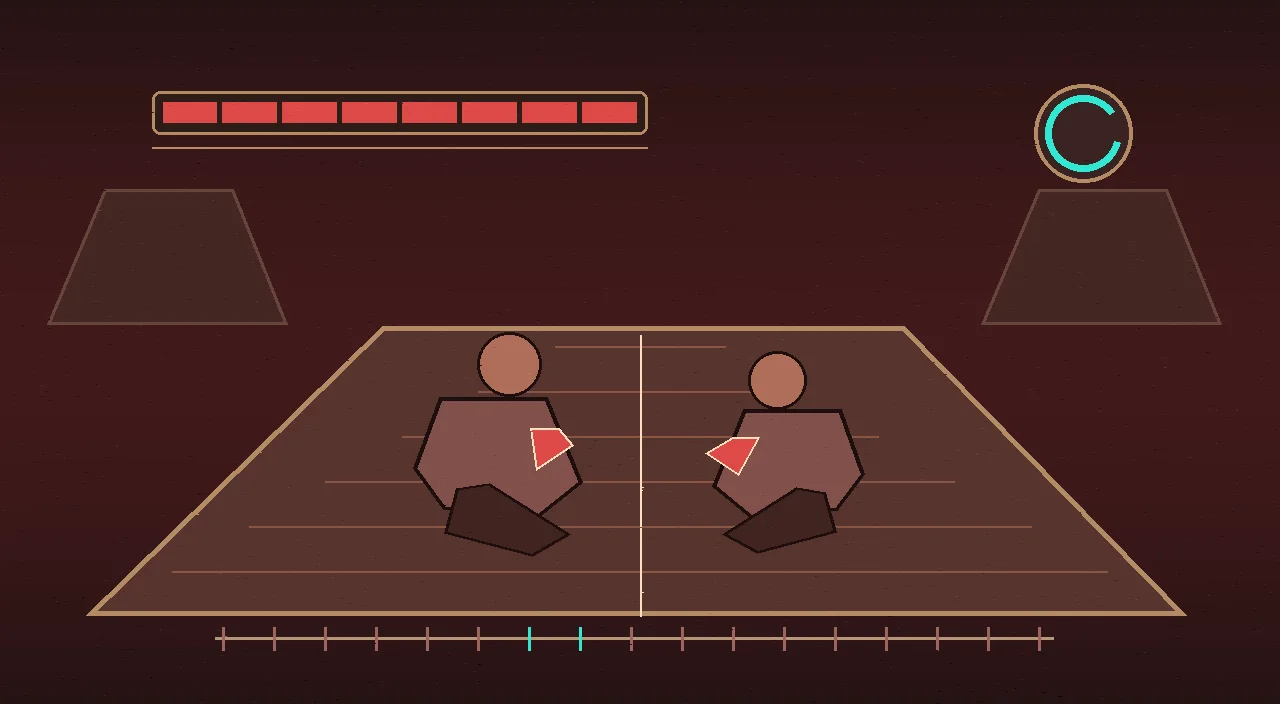
Charge Replay is a practice-focused virtual arena concept in development. The playing scene uses a few positions and a visible state strip beside them. The game can preserve one round, including the moment a charge was ready and the moment a virtual escape was spent. The replay begins where the viewer last stopped. A person can compare those events by stepping through the strip without putting the encounter itself into motion.
Learn which readout belongs to the selected frame
During the modeled round a player chooses to begin the charge, hold a prepared state, cancel it, or submit the virtual commitment. The opposing marker follows a short pattern. If it spends its escape token before the player commits, the record lists what happened on each beat. Move the replay cursor later and the board updates what it shows. The earlier choice remains attached to the time at which it was recorded. On the overview the marks may be close together. A short explanation under the ruler distinguishes them.
In the first practice trial, both the ready meter and active escape are visible when the scene starts. The next frame toggles the escape. The last displays the result. A new attempt can change the order of one action without removing the older data. The comparison asks whether the outcome changes because of the selected virtual state or because a viewer opened the replay at a different point. Replay controls are for inspecting the prior event. They should not make it look as if a person accepted another command in this recorded run.
What the illustrations preserve
The view is painted in dark terracotta with pale gray floor marks and a blue line under the latest frame. The timeline uses small notches for recorded steps and a tab for the viewer’s cursor. A marker keeps the same outline in either view of the match. A phone puts the explanatory word near the timeline. The scene itself can be above that word. Desktop can fit a small thumbnail strip along the lower edge. The captions make the comparison available even if somebody is using the still view without motion or sound.
The artwork does not require a viewer to infer the game state solely from the stylized character. The frame that records an escape shows it in words and in the token’s shape. A quiet outline indicates the old mark. A different line appears when the current state is selected. That simple distinction is part of the prototype’s design goal. We can test it even when the other figures change shape or position.
Try the same frame with a new opening
Our next review compares an action from the same initial state with a later commitment. The recorded ready frame should be reachable from either result. If a viewer cannot find it after leaving the replay, keep a shorter frame link on the result slip. We plan to test with a slower playback and with separate static steps. The game should give the same outcome at any playback speed, because the ruler changes only the view of a completed virtual round.
The note Where the Ruler Stops explains the position control. For a shorter scored sequence, visit The Spent Escape. Both studies are works in progress about readable game states and do not simulate physical technique.